Top Fortress Fence Company Austin Services for Fence Replacement
Complete Fence Installation & Replacement: Get a Free Quote Now
Thorough fence installation and replacement services deliver significant benefits for homeowners. These enhancements can improve aesthetics, privacy, and security. Understanding the numerous factors and materials to consider is essential before reaching a conclusion. Moreover, reviewing specific needs ensures a personalized solution. For anyone planning a project, requesting a complimentary estimate can shed light on pricing. That said, one must also think about the continued maintenance and attention needed for a satisfactory installation. What comes next?
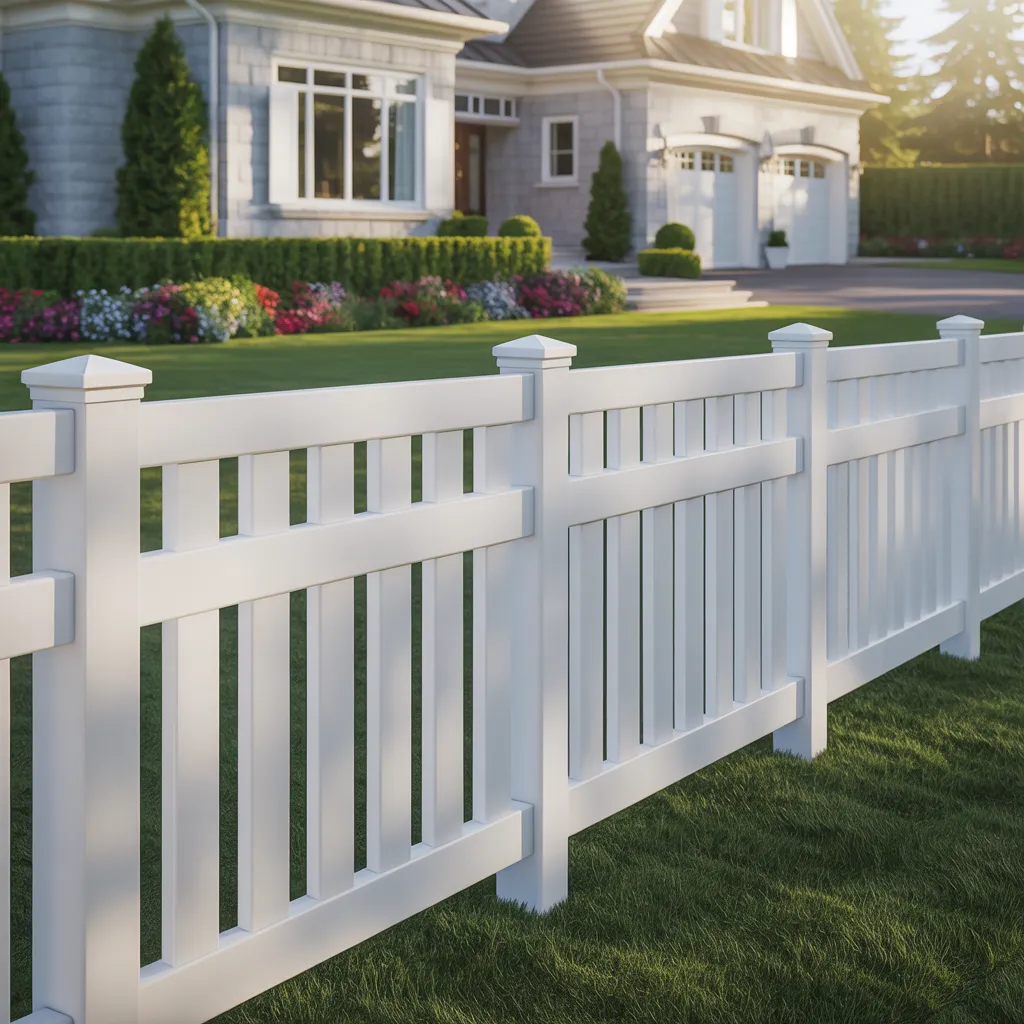
The Benefits of Fence Installation for Your Property
Fence installation offers numerous advantages that can enhance any property. A well-constructed fence provides essential privacy, creating a secluded space for relaxation or family gatherings. It also serves as a barrier, enhancing security by deterring unwanted visitors and keeping children and pets safely contained. Additionally, fences can greatly improve a property's aesthetic appeal, adding value and curb appeal through various styles and materials.
Moreover, a fence can define property borders, reducing disagreements with neighboring residents and confirming property ownership. Some fence varieties can also serve functional purposes, such as windbreaks or noise reduction, improving the overall comfort of outdoor areas. In addition, putting up a fence can support conformity with local rules regarding land boundaries and safety standards. In summary, the advantages of installing a fence go far beyond simple appearance, promoting safety, privacy, and property value in a myriad of ways that position it as a sound investment for residential owners.
Important Factors to Consider Before Replacing Your Fence
Changing a fence can be a major decision for property owners, necessitating careful consideration of several essential factors. Initially, the state of the existing fence must be evaluated; establishing whether it requires full replacement or just some upkeep can influence the decision to replace. Next, homeowners should evaluate local regulations and zoning laws, as these can dictate fence height, style, and placement. Cost limitations are also a key factor; knowing the budget can guide decisions on materials and design. Moreover, reflecting on the intended role of the fence—be it for seclusion, protection, or visual appeal—will shape the choice of design and construction options. Lastly, homeowners should think about the long-term maintenance requirements of various fence types to secure sustainability. By evaluating these factors, homeowners can make informed decisions that align with their goals and add value to their home.
Evaluating Fence Materials: Which One Suits You Best?
When selecting the ideal fencing material, what factors should homeowners consider? Durability is paramount; options such as vinyl and metal tend to outlast wood, delivering long-term benefits. Aesthetic appeal also plays a significant role, as different materials offer various styles to complement the property's architecture. Upkeep demands differ considerably: wooden fences may need regular staining or painting, whereas vinyl and metal generally require little maintenance.
Price is an additional aspect worth examining. While starting costs for wood tend to be less significant, the cumulative costs associated with regular maintenance can become substantial. Furthermore, your local weather conditions can impact the choice of materials; for instance, chemically treated wood may be required in humid areas to guard against deterioration.
Ultimately, homeowners ought to review local ordinances and community standards, as these can dictate permitted materials and design styles. By evaluating these aspects, homeowners are able to make educated decisions that meet their requirements and improve their homes.
A Step by Step Guide to Installing Your Fence
In the process of installing a fence, the right tools are crucial for a seamless experience. This section will outline the necessary equipment and provide a clear, step-by-step guide to the installation process. With these directions in hand, homeowners will be equipped to complete a solid and reliable fence installation.
Items You'll Need
When preparing for a fence installation project, having the proper tools is crucial for achieving a smooth workflow. A post hole digger is indispensable for connected information forming the required openings for fence posts. A level ensures posts remain upright, while a tape measure assists with precise spacing. A hammer or a nail gun is needed for securing panels, and a saw, either manual or power, helps cut materials to size. Furthermore, a string line can help preserve a consistent alignment during the installation process. For safety, gloves and safety glasses are recommended. Having these tools ready will streamline the installation, making the project more efficient and less prone to errors. Proper preparation is key to achieving a well-installed fence.
Steps for the Installation Process
Starting the installation of a fence requires careful planning and execution. To begin, the area needs to be precisely measured and marked, ensuring adherence to local regulations. Following that, posts are secured in concrete, positioned based on the fence type, generally spaced 6 to 8 feet apart. Once the posts are secure, the horizontal rails are attached, providing structure and support. After that, the chosen fencing material—whether wood, vinyl, or chain link—is installed, guaranteeing it is level and properly aligned. Gates are then hung, allowing for access while maintaining functionality. At last, the installation area is tidied up, and all required adjustments are carried out, finishing the process. This step-by-step approach guarantees a durable and aesthetically pleasing fence.
Receive a Free Quote for Your Fence Installation Project
How are homeowners able to precisely determine the cost of their fencing installation project? Obtaining a free quote is an essential first step. Established fencing contractors commonly provide free estimates, helping homeowners comprehend the monetary requirements before proceeding with a project. Throughout this stage, homeowners are encouraged to supply comprehensive details about their property, including dimensions, preferred materials, and any specific design requests.
Companies often consider various factors, such as labor, material costs, and site conditions, when preparing a quotation. Homeowners are encouraged to seek multiple bids to evaluate pricing and offerings. Doing so not only assists in finding the most competitive offer but also provides insight into various contractors' methods and experience. Open discussion about project requirements can facilitate a more accurate quote. In the end, a complimentary estimate acts as an essential resource, allowing property owners to reach educated conclusions about their fencing project requirements.
Care Tips for Your Residential Fence
Preserving a household fence is important for preserving its look and lifespan. Regular inspections should be conducted to recognize indicators of deterioration, such as loose boards, rust, or rot. Cleaning the fence at least once a year aids in eliminating grime, mildew, and algae, which can degrade materials over time. For timber fences, adding a weather-resistant sealant or stain periodically can improve longevity and visual appeal. Homeowners should also guarantee that plant growth does not overtake the fence, as roots and branches can cause structural damage. Furthermore, examining for any slack nails or screws and fixing them immediately will avert more extensive damage. In regions prone to harsh weather, extra care may be necessary, such as fortifying posts or adding protective weather coatings. By adhering to these upkeep guidelines, residents can increase the longevity of their fence while keeping its attractive appearance.
Frequently Asked Questions About Fence Installation
When thinking about fence installation, numerous homeowners have inquiries about different elements of the process. Important areas typically include the variety of fencing materials on the market, a breakdown of the installation steps, and factors that influence overall costs. Exploring these topics can bring understanding and assist homeowners in making well-informed choices.
Kinds Of Fencing Materials
Choosing the most suitable fencing material is important for achieving both functionality and visual appeal in every property. Numerous choices are on the market, each delivering unique benefits. Wooden fencing, for example, provides a traditional look and can be tailored with ease, but it requires regular maintenance. Vinyl, on the other hand, is easy to maintain and highly durable against deterioration, making it a popular choice for many homeowners. Chain-link material is cost-effective and long-lasting, though it may lack privacy compared to other materials. Aluminum delivers a combination of durability and style, commonly selected for ornamental applications. To conclude, composite fencing combines the strengths of timber and synthetic materials, offering long-lasting performance with minimal maintenance. All materials address unique demands, enabling property owners to make informed decisions based on their individual needs.
Summary of the Installation Process
Grasping the construction process of a fence is important for homeowners planning a new addition to their property. The initial step typically involves examining the site to determine the best fence design and location. Residents should review local zoning regulations and acquire necessary permits. Once this is done, the installation commences with outlining the boundaries, boring holes for posts, and securing the posts using concrete for stability. After the posts are firmly in place, panels or boards are installed according to the selected design. This phase may also include installing entry points and ensuring proper alignment. Finally, a comprehensive inspection is conducted to confirm quality and compliance with regulations. Property owners are urged to seek clarification throughout this process to clarify any doubts.
Pricing Estimation Considerations
There are several key factors involved in fence installation cost estimation that homeowners should take into account. First, the type of material—wood, vinyl, metal, or chain link—plays a major role in determining the price. Different materials vary in their cost ranges and maintenance demands. Additionally, the dimensions of the fence, including its length and height, have a direct impact on the total cost; bigger installations will demand greater quantities of materials and more labor. Furthermore, factors like terrain and site accessibility may drive up installation costs when specialized tools or methods are required. Regional labor costs and required permits can further add to the overall expense. It is also important for homeowners to factor in any supplementary features, including gates or decorative accents, which may further affect the overall project cost.

Frequently Asked Questions
How Long Does the Fence Installation Process Typically Take?
The process of installing a fence generally requires between one and three days, depending on factors such as the total area size, type of materials used, and weather conditions. Thorough planning can significantly streamline the entire project.
Is a Permit Required for Fence Installation?
Typically, a permit is required for fence installation, based on local regulations. It is recommended that homeowners consult with their municipality to confirm compliance with zoning laws and steer clear of potential fines or complications.
Is It Possible to Install a Fence on a Slope?
Indeed, a fence is able to be built on a slope. Various techniques, like contouring or stepping, accommodate uneven terrain. Careful preparation guarantees structural integrity and visual attractiveness, enabling homeowners to handle their landscaping requirements with ease.
What Is the Average Cost of Fence Replacement?
The average cost of fence replacement typically ranges from $1,500 to $4,000, based on materials, labor, and the size of the property. Variations in local labor rates and specific requirements can significantly impact the total cost.
How Do Weather Conditions Influence Fence Installation Timelines?
Climate conditions greatly affects fence setup deadlines. Harsh weather conditions can delay work due to hazardous conditions and logistical challenges. Installation professionals often modify schedules to guarantee optimal conditions for the installation process, focusing on quality and durability.